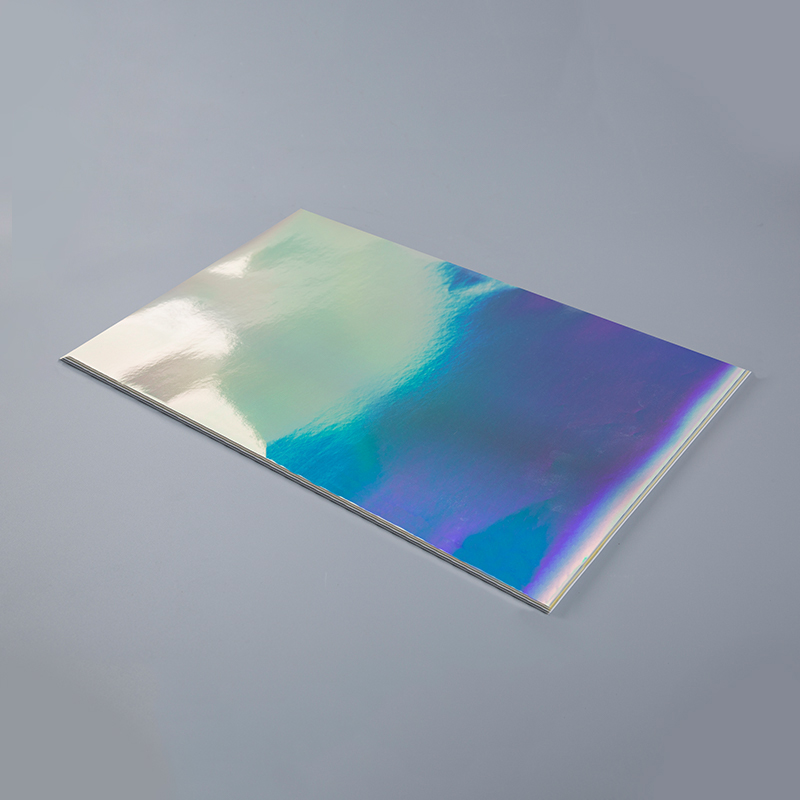
Applikasjon: Det er mye brukt i mat, medisin, daglige kjemiske forsyninger, tobakk og alkohol, klær, gaveemballasje og dekorative materialer og andre næringer. Spes
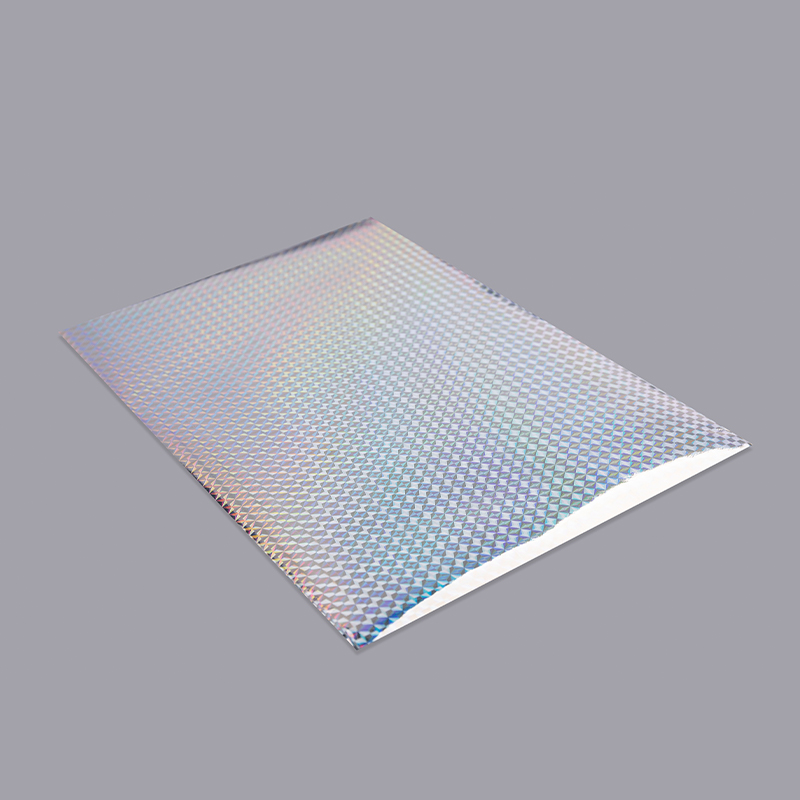
Applikasjon: Det er mye brukt i mat, medisin, daglige kjemiske forsyninger, tobakk og alkohol, klær, gaveemballasje og dekorative materialer og andre næringer. Spes
Selvklebende holografisk laserfilm er et holografisk bilde med en regnbuedynamisk, tredimensjonal effekt overført til PET, BOPP, PVC eller belagt underlag ved støping, og deretter bruke måtene: kompositt, varmtrykk, overføring for å oppnå en bestemt laser effekt på overflaten av vareemballasjen.
Det er mye brukt i mat, medisin, daglige kjemiske forsyninger, tobakk og alkohol, klær, gaveemballasje og dekorative materialer og andre næringer. Spesielt i emballasje av high-end vin, kosmetikk, elektroniske produkter og andre produkter. Egenskaper: sterk ytelse mot forfalskning, vakker, miljøvennlig, blekkerosjonsbestandighet, antistatisk, anti-adhesjon og høy maskintilpasningsevne.
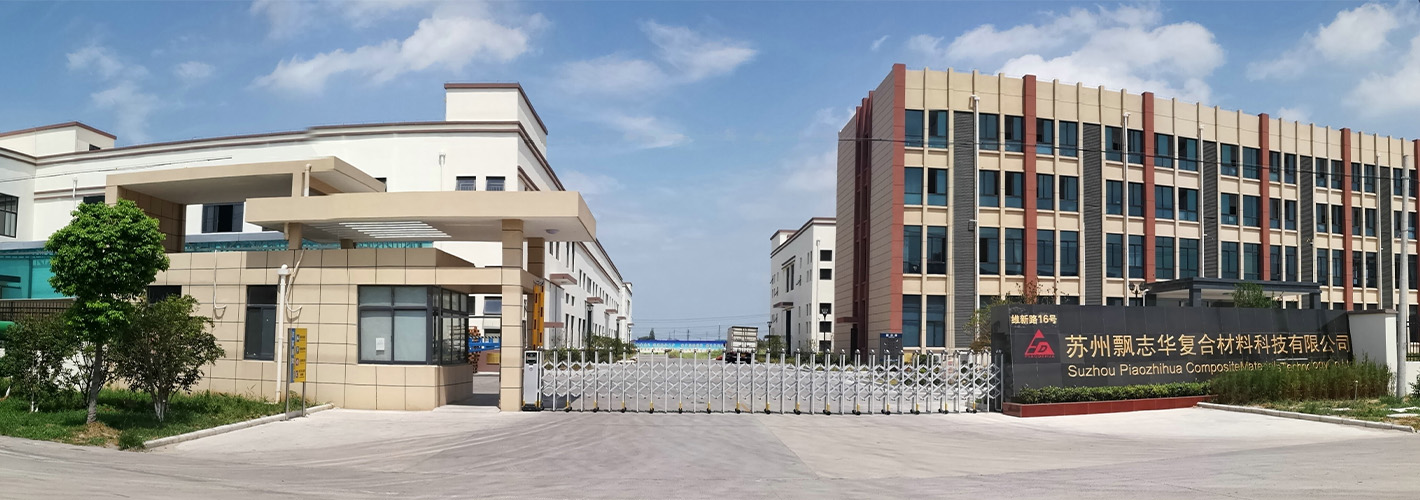
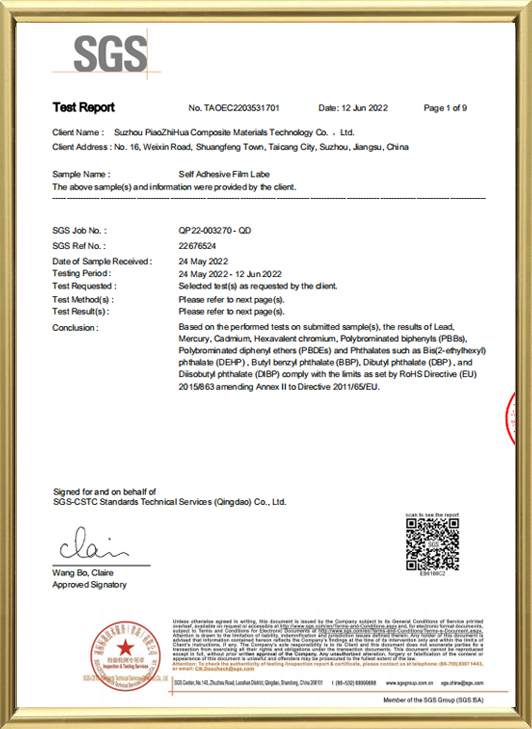
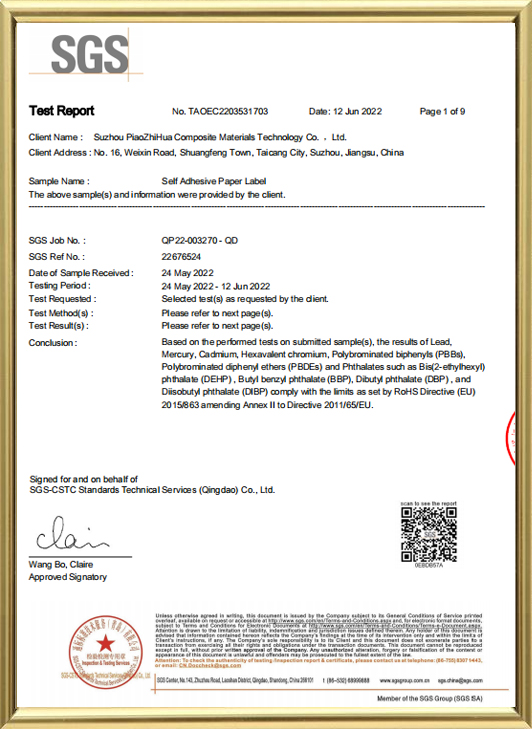
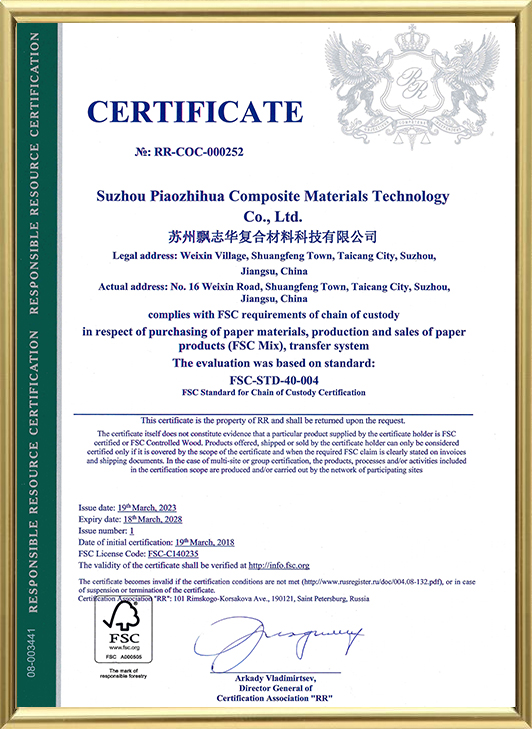
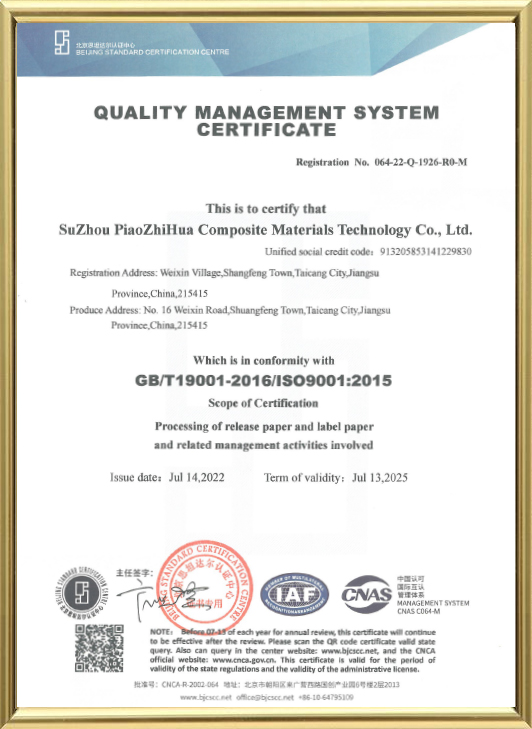
Piao Zhihua er et privat selskap som spesialiserer seg på produksjon av selvklebende etiketter av høy kvalitet, som integrerer forskning og utvikling, produksjon, salg og ettersalgstjenester. Som selvklebende papirprodusenter i Kina og selvklebende papirfabrikk. Med et komplett utvalg av produksjonslinjer, inkludert liming, laminering og skjæring, og en årlig produksjonskapasitet på mer enn 280 millioner kvadratmeter, er vi blant de 10 beste selskapene i Kina for selvklebende produkter. Med utmerket teknologi, høykvalitetsprodukter og varierte tilbud har vi oppnådd en høy grad av innflytelse og merkekjennskap i både nasjonale og internasjonale markeder, samtidig som vi har bygget en landsdekkende dekning av produktsalgssteder med en positiv og progressiv tankegang. I Kina er det direktesalgsnettverk i Shanghai, Ningbo, Hangzhou, Chengdu, Harbin, Wuhan, Chongqing, Guangzhou, Changsha, Beijing og dusinvis av franchisekjeder. For ytterligere å etablere statusen til "PUODEHUA"-merket på den internasjonale arenaen, har vi bygget et markedsføringsnettverk i dusinvis av land og regioner som USA, Tyskland, Japan, Sør-Korea, Brasil, Mexico, Russland, Midtøsten og så videre, som dekker Asia, Europa, Amerika, Afrika og andre regioner, og har blitt en langsiktig stabil leverandør.

Introduksjon til Avtakbart selvklebende etikettmateriale Avtakbart selvklebende etikettmateriale er mye brukt i detaljhandel og produktemballasje på grunn av ...
Forståelse Trykkfølsomt etikettmateriale Trykkfølsomt etikettmateriale er et selvklebende underlag som fester seg til en produktoverflate uten å kreve varme, ...
Introduksjon til Vinetikettmateriale Trender i 2026 Etter hvert som vinindustrien fortsetter å utvikle seg, blir etikettmaterialer et stadig viktigere aspekt...
Fordelene med glanset PP-etikettmateriale for merkevarebygging Laserutskrift i glanset PP-etikettmateriale gir en unik kombinasjon av visuell appell og funksjonell ...
Introduksjon til injeksjonsbelagt matt PP-etikettmateriale Injiserbelagt matt polypropylen (PP) etikettmateriale er en høyytelses merkeløsning som er mye brukt i br...
Viktigheten av å velge riktig Selvklebende etikettmateriale Selvklebende etiketter er en avgjørende komponent i produktemballasje, merkevarebygging og informa...


Bransjeintroduksjon
No. 16 Weixin Road, Shuangfeng Town, Taicang City, Suzhou City, Jiangsu-provinsen, Kina.
+86-13621727329
+86-512-53419666 / +86-512-53416667
Copyright © Suzhou Piaozhihua Composite Material Technology Co., Ltd. All Rights Reserved